
COP31 · Observer guide
A COP31 participation guide for observers
Understand badges, plan your day, observe negotiations, request speaking opportunities and find side events at COP31.
As an observer at the UN climate conference, entering the COP31 Blue Zone on 9 November means choosing among thousands of activities over two weeks: negotiations, side events, exhibitions, pavilion events and open discussions. This guide explains how to find meetings, understand access, speak when permitted and meet others working on your issues.
01 / Recognize people by their badges
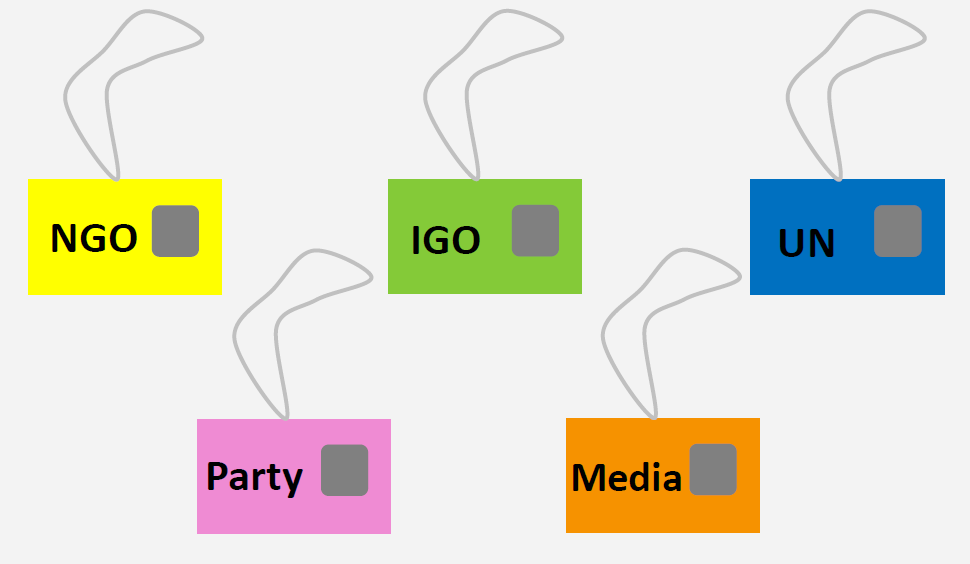
Look at the category, colour and organization on a badge to find a starting point for conversation. UNFCCC conferences are not open to the public; every participant must be accredited.
Red · PARTY: government representatives of Parties and observer States.
Blue / green · UN Orgs & IGOs: blue badges identify UN organizations; green badges identify intergovernmental organizations. Their observer status derives from their international organization status.
Yellow · NGOs: organizations must be admitted as observers by the Conference of the Parties before nominating delegates through the Online Registration System (ORS). The original article reports approximately 4,000 admitted NGO observer organizations worldwide.
Orange · PRESS: accredited journalists.
02 / Plan your conference day
Negotiations normally run from 10:00 to 13:00 and from 15:00 to 18:00, with many parallel meetings. COP, the Kyoto Protocol meeting (CMP), the Paris Agreement meeting (CMA) and the two subsidiary bodies (SB) meet during the same period.
Party groups and observer constituencies usually coordinate before 10:00. Side events, exhibitions, pavilion activities and dialogues with the Presidency and Executive Secretary fill the remaining hours. Planning means choosing which parallel session to attend first.
10:00–13:00: morning negotiations. 15:00–18:00: afternoon negotiations. Other hours: side events, exhibitions and dialogues.
03 / Three ways to stay informed
COP31 official webpage (unfccc.int/cop31): the main hub for schedules, official documents, logistics, recommended events and high-level arrangements. Check it each morning and evening. The “UN Climate Change” app focuses on live agenda changes, venue maps and mobile updates.
Venue CCTV screens: the left screen displays formal negotiations; the right displays side events and other activities.
Information Counter: secretariat staff near the entrance can help locate rooms, confirm whether a meeting is taking place and answer practical questions.
Three independent publications help explain what happened in the room: TWN climate updates offer developing-country perspectives; the IISD Earth Negotiations Bulletin (ENB) provides independent, balanced reporting by meeting and date; the Climate Action Network ECO newsletter explains its daily advocacy priorities and assessment of negotiations. These publications reflect NGO perspectives and do not represent the secretariat’s official position.
Also save the Observer Handbook and Information for Participants A–Z. Registered online participants receive their platform link by email; the participant information page provides platform instructions and an AI assistant.
04 / Six ways observers can participate
The original article highlights a COP31 Open Dialogue convened by the Presidency, where Parties and observers discuss a specific substantive issue as equals. Details will be announced separately.
- Observe negotiations from the back of the room, follow positions and differences, provide input to Parties and support transparency.
- Organize side events and advocacy activities to share case studies, lessons and research.
- Submit position papers and formal inputs to the process.
- Attend townhalls to ask questions of the Executive Secretary, COP President, negotiating chairs and high-level champions. Check the daily programme.
- Hold press conferences to inform public discussion through the media.
- Join the Open Dialogue.
05 / Which rooms can you enter?
| Meeting type | Observer access | How to participate |
|---|---|---|
| Plenary | Open | NGO constituencies may make statements when time permits. |
| Contact group | Usually open | Parties may close the meeting; read the draft first. |
| Informal consultations (ICs) | Open by default, often restricted | The chair / Parties decide; a meeting may close at short notice. |
| Informal informals (Inf-Inf) | Closed | Small-group drafting; wait for the outcome. |
| Contact-group conclusions | Open | Follow the combined results and direction of discussions. |
| Closing plenary | Open | Adoption of conclusions and final decisions. |
Formal openness does not guarantee a seat: room capacity is limited and Parties have priority. Some meetings are streamed on the COP online platform, with the same proceedings available remotely.
Advance sign-up is not required to enter a negotiating room. Access depends on whether the meeting is open to observers; check the daily programme and CCTV screens.
06 / Speaking and seating etiquette
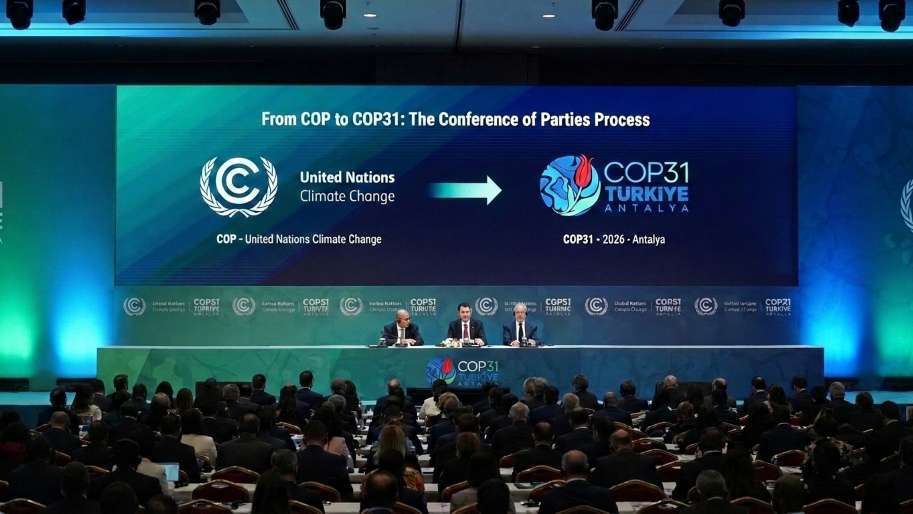
Party delegates sit at the negotiating table; observers sit in the back rows.
At opening and closing plenaries, NGO constituencies are allocated roughly two minutes for a statement delivered by their chosen representative, according to the original article. In contact groups and informal consultations, the chair may seek permission for observer interventions after Parties have spoken, if time remains.
Before the meeting, register with secretariat staff in the room and explain your constituency and proposed contribution. Staff check with the chair; wait for the announcement. If approved, use a back-row microphone and make your key points in one or two minutes.
07 / Participate between conferences
Climate negotiations continue throughout the year as governments develop their positions. Observers can submit written inputs that become part of the formal record; follow constituted bodies and mandated workshops; and maintain contact with national teams to identify common ground, differences and possible bridging proposals. The two weeks in Antalya build on that year-round work.
08 / Side events and exhibitions
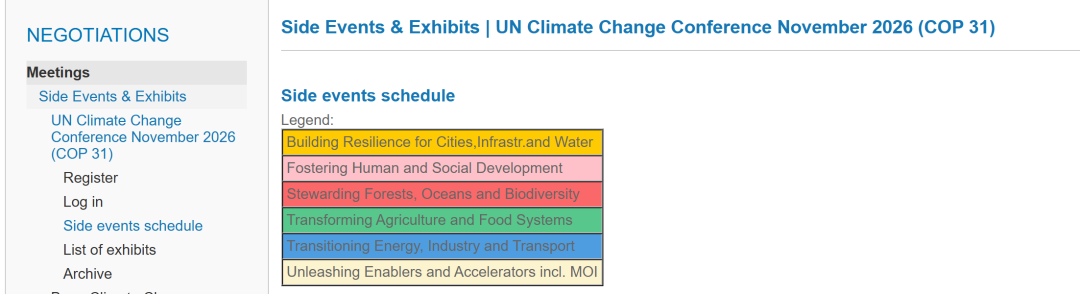
The original article reports that more than 1,600 applications yielded nearly 387 side events and 100 exhibitions, with a record number of African applicants. Selected activities cover resilient cities and infrastructure; people and social development; forests, oceans and biodiversity; agriculture and food systems; energy, industry and transport; and enabling finance, technology and capacity-building.
Side events and exhibitions run from 9 to 19 November, with a break on 15 November. The thematic calendar reproduced from the article is below; consult official channels for current arrangements.
| Date | Thematic day |
|---|---|
| 9 Nov | Food, agriculture and health (Leaders’ Summit day 1) |
| 10 Nov | Energy and transport |
| 11 Nov | Zero waste |
| 12 Nov | Resilient cities and environment (Leaders’ Summit day 2) |
| 13 Nov | Finance and trade |
| 14 Nov | Children, youth, education and skills |
| 15 Nov | A day in Antalya (rest day) |
| 16 Nov | Science, industry and technology |
| 17 Nov | Oceans, marine ecosystems, nature and land use |
| 18 Nov | Human and social development |
| 19 Nov | İmece (mutual support), institutions and investment, access to finance |
Find official side-event and exhibition listings in SEORS (seors.unfccc.int), searchable by date and category. Organizers are publicly listed. Registered participants can also browse the online platform by day, or consult the right-hand CCTV screen at the venue. Check for separate registration and capacity limits. Side events combine presentations, discussions and questions; exhibitions support focused project conversations.
To meet others working on your theme, email organizers before travelling using the SEORS directory, use the platform’s networking area, attend relevant negotiations and talk during breaks, and join morning constituency coordination meetings if your organization belongs to a constituency or informal group.
Useful links and the participant group
Use this guide to make time for the activities that matter to you. Consult the latest official announcements and on-site notices for schedules, room access and event arrangements.
If you already hold a COP31 participation badge, scan the original QR code below to join the COP31 participant group.